

Recently I visited a sculpture competition at a well-known Australian sculpture park.
With its line-up of 20 emerging and established artists and its recognised critics on the judging and curatorial panel, I expected to see the best of the best.
The competition has run for more than ten years. It offers substantial prize money to attract top Australian and international sculptors.
Judged by experts, the show gives exhibitors the chance to win a contest that can lead to acquisition of their piece as part of a permanent collection. This is an opportunity for the artists to boost their CV and career prospects.
Expectation … and sadness
My visit started with expectation and excitement and ended in sadness; for the artists, the judges, the organisers, (who owned the sculptures) and past, present, and future visitors to this collection.
I believe sculpture is of higher order and serves a higher purpose for humanity, given its power to connect and transform people and place. However, this can only occur when it is masterfully realised and captures significant ideas that radiate context to its audiences. Sculpture that fails to move the senses at this level is little more than decoration.
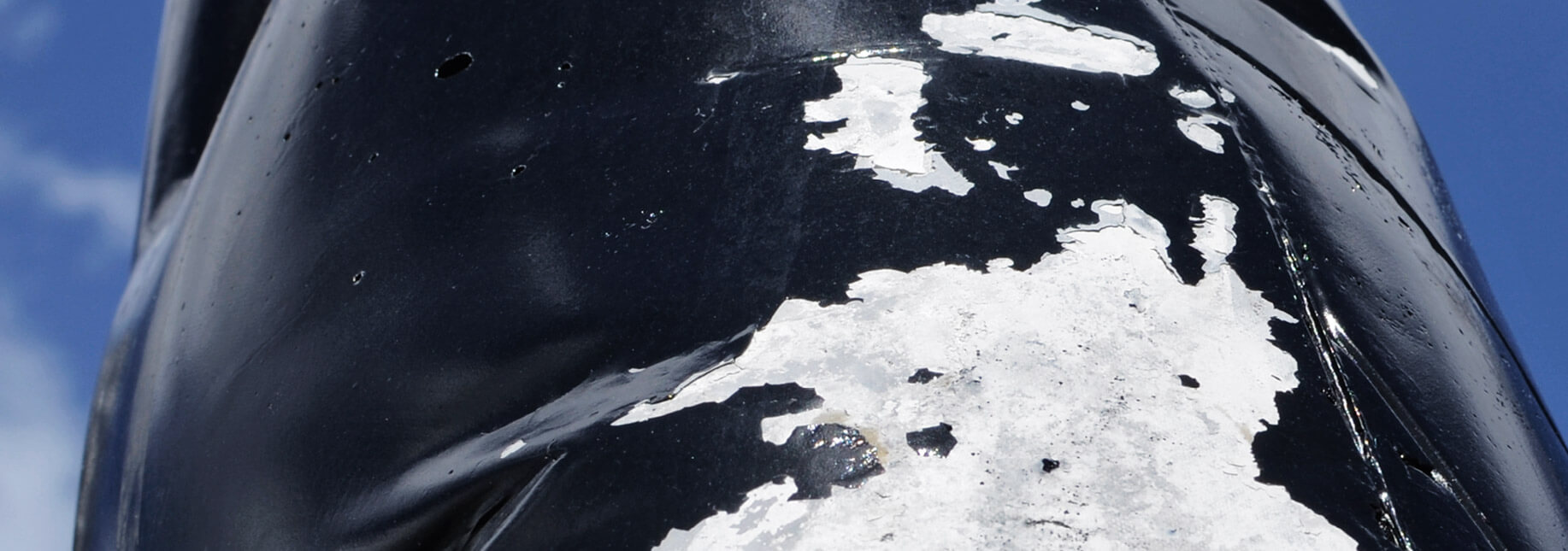
All of the selected artists were creative and had ideas worth expressing. Sadly, none was well enough constructed or completed to stand the test of time and elevate them from objects to legacies. Instead, they left with the impression that the story behind the art was hardly worth telling.
Process as a double-edged sword
Of the 20 emerging and recognised artists, it was obvious who the established sculptors were. It had little to do with creativity but more that sculptors with over 20 years of experience had mastered their own processes. (Oddly, this mastery can act as a double-edged sword when it becomes a crutch to stifle their creativity, acknowledging that artists who achieve a career of 20 years are in the minority.)
How can sculptors harness creativity and maximise outcomes?
Successful sculpture pushes boundaries by exploring ideas and manipulating materials to the maximum, imbuing meaning and emotion within a form. If an artist becomes too concerned about the rules or methods of working with different media, those constraints will strangle their expression.
Separating concept from implementation
Sculpture can show itself at its greatest by separating concept from implementation. This way sculptors can successfully explore ideas, without constraints or worrying about the quality outcomes that accompany the production process.
There are so many materials, processes, and finishes that can be used in the creation of sculpture, each of which may involve a separate trade and years of apprenticeship to master. So it’s no wonder that artists who go it alone often run into trouble. Equally, artists who master a particular material or process often find it confines their creativity within those boundaries.
A specialised project manager for sculpture creation can organise and manage the best pre-qualified talent from the initial artist, to foundry, fabricator, finisher (paint, polisher, patina and more), logistics crew, and installation team and equipment.
What are the consequences?
I believe the DNA of every artist pulses with the hope of creating a career and legacy of worthwhile ideas that can move and inspire people now and for generations to come.
If the sculpture park owners were aware of this idea they may think about their ROI in terms of the social currency the sculptures could provide to viewers over a much longer lifetime. Sculpture is a potent medium for making memorable statements. But if it creates negative impressions through poor implementation and finishing, it also creates bad business.
The curators who selected the competition finalists did so to the best of their abilities. But without manufacturing knowledge and experience, how could they know what lay beneath the surface? An artwork can look great at first sight or in a photograph, but how will it perform in the future if the best materials have not been chosen or best processes been strictly adhered to?
Curators have their own provenance and reputations to build and protect. Selecting artworks whose performance and longevity are unknown could leave them and their credentials open to ridicule.
Accurate documentation of materials, processes, and finishes throughout the project and at handover, with a sustainable maintenance schedule, is also critical.
If you’re intent on having sculpture in your life, or adding to your collection, call Todd Stuart on +61 4 5151 8865, or visit mainartery.art for more insights into turning an object into a legacy.


